Anti-Aging Peptides: Science, Synthesis & Scalable Supply
By Labnode
Peptide-based actives are rapidly becoming one of the most influential innovation drivers across dermal, cosmetic, and adjacent biotech applications. From collagen stimulation to antioxidant defense and neuromodulation, peptides offer targeted biological signaling with strong safety profiles.
This article explores the science, manufacturing pathways, and sourcing strategy behind commercially relevant anti-aging peptides—and how to move efficiently from sequence design to scalable supply.
Peptides as Biological Messengers
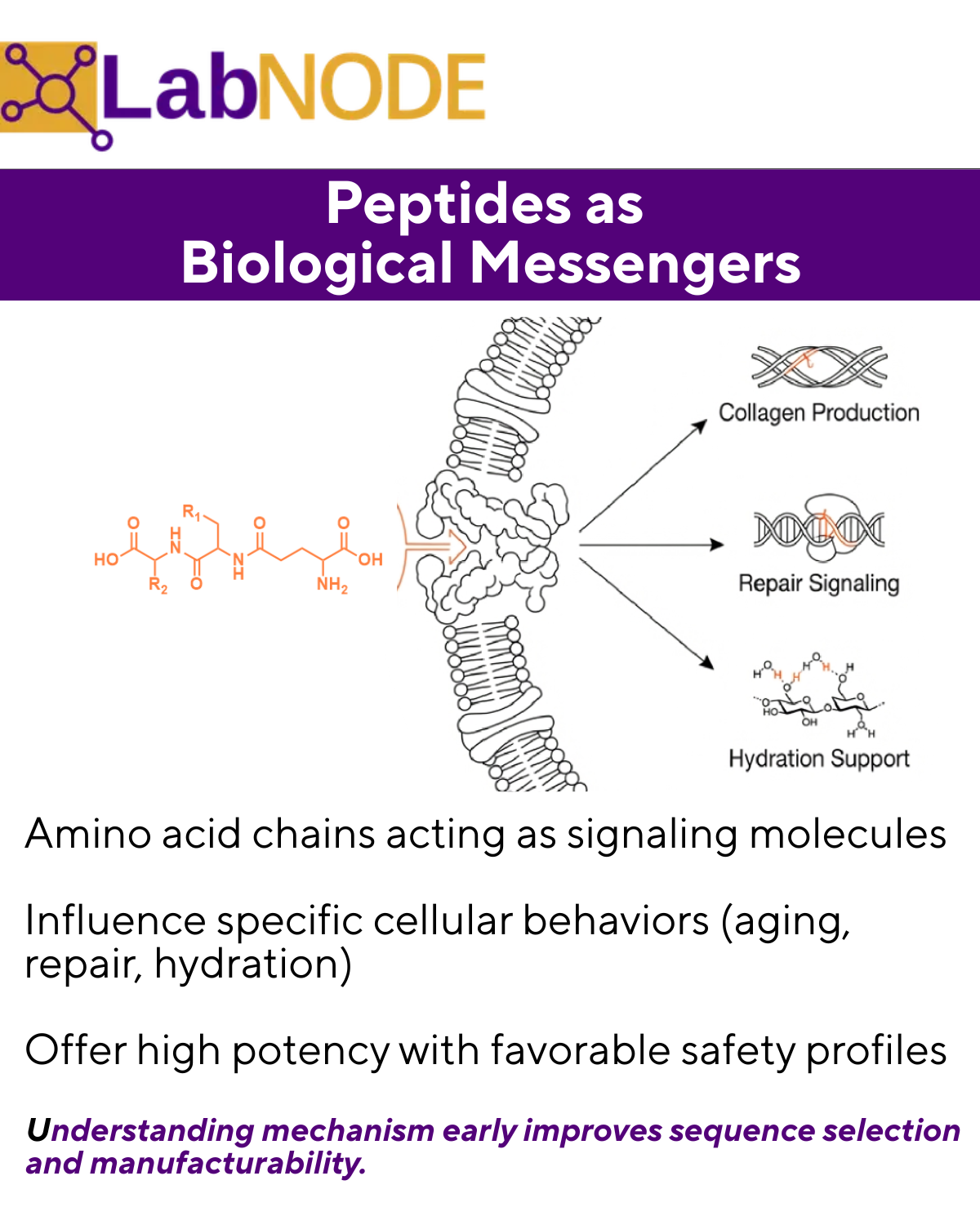
Peptides are short amino acid chains that function as high-specificity signaling molecules within biological systems.
In skin and cosmetic applications, they:
- Influence cellular behavior such as collagen production, repair signaling, and hydration support
- Enable targeted modulation of biological pathways
- Deliver high potency with generally favorable safety profiles
A deeper understanding of peptide mechanism allows:
- Better sequence selection
- Improved manufacturability
- Faster path to commercial viability
In practical terms, peptide design is not only about efficacy—but also about ensuring the sequence can be produced reliably at scale.
Primary Production Pathways for Peptides
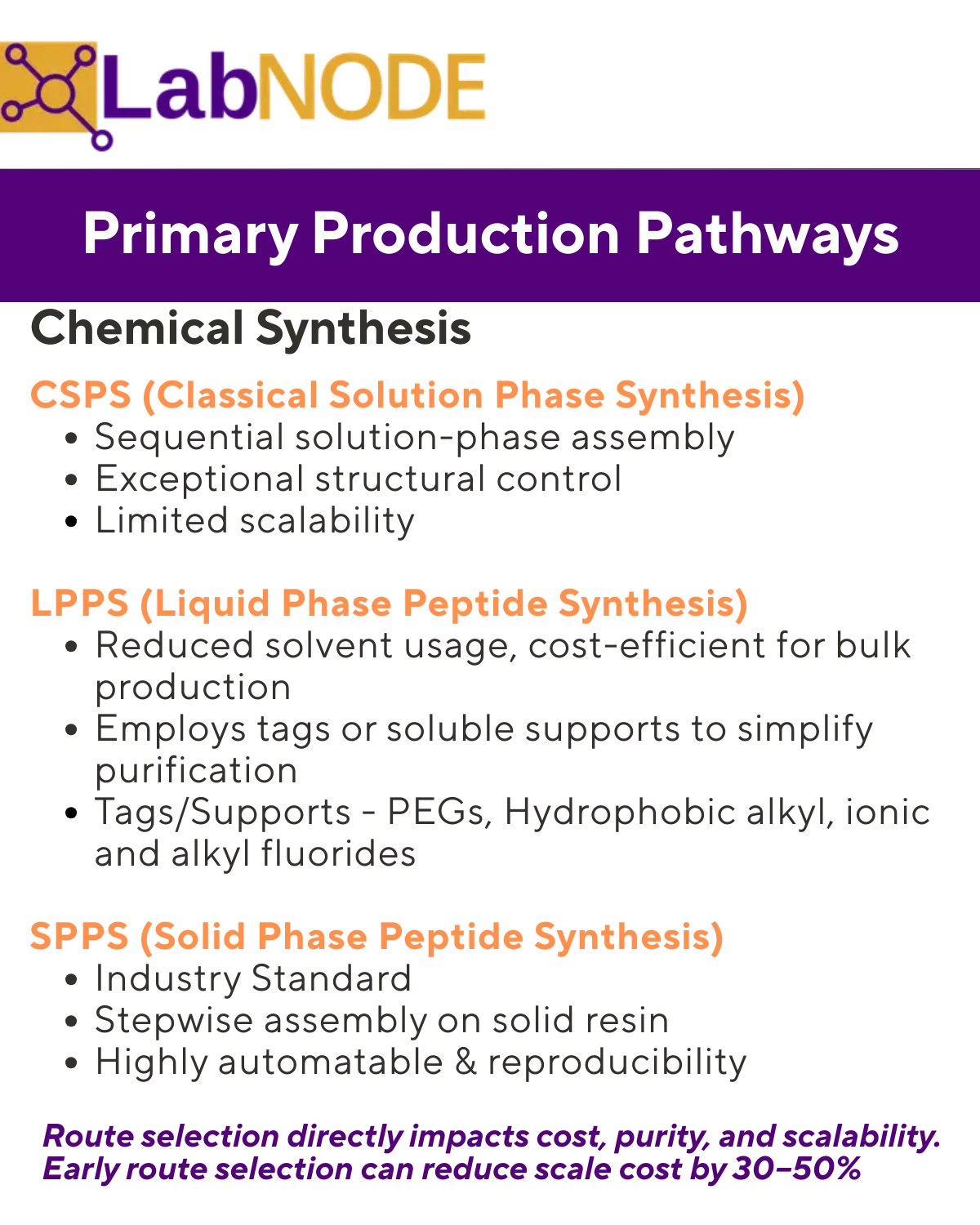
Selecting the right synthesis route significantly impacts cost, scalability, and purity.
Chemical Synthesis
CSPS (Classical Solution Phase Synthesis)
- Sequential solution-phase assembly
- High structural control
- Limited scalability
LPPS (Liquid Phase Peptide Synthesis)
- Reduced solvent usage
- Cost-efficient for bulk production
- Supports purification tags or solubility supports (PEGs, hydrophobic alkyl chains, ionic tags)
SPPS (Solid Phase Peptide Synthesis)
- Industry standard
- Stepwise assembly on solid resin
- Highly automatable and reproducible
Early route selection can reduce overall manufacturing cost by 30–50% at scale.
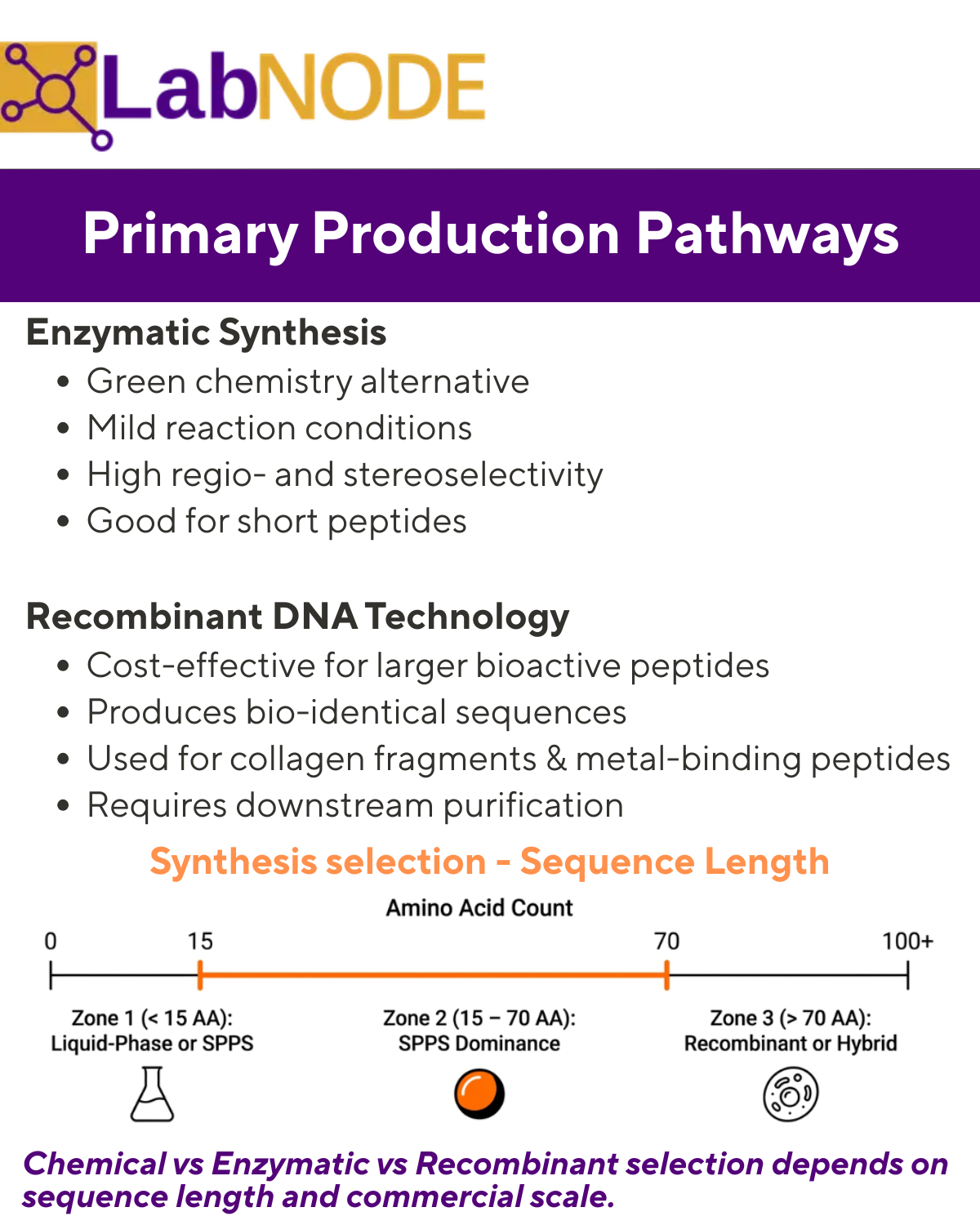
Enzymatic & Recombinant Routes
Enzymatic Synthesis
- Mild conditions
- Green chemistry advantage
- High regio- and stereoselectivity
- Effective for shorter peptides
Recombinant DNA Technology
- Cost-effective for longer sequences
- Produces bio-identical peptides
- Requires downstream purification
In practice:
- Short sequences (≤15 AAs): LPPS or SPPS dominate
- Mid-range sequences: SPPS
- Long or complex peptides: Recombinant or hybrid strategies
The optimal method depends on sequence length, required purity, and commercial scale.
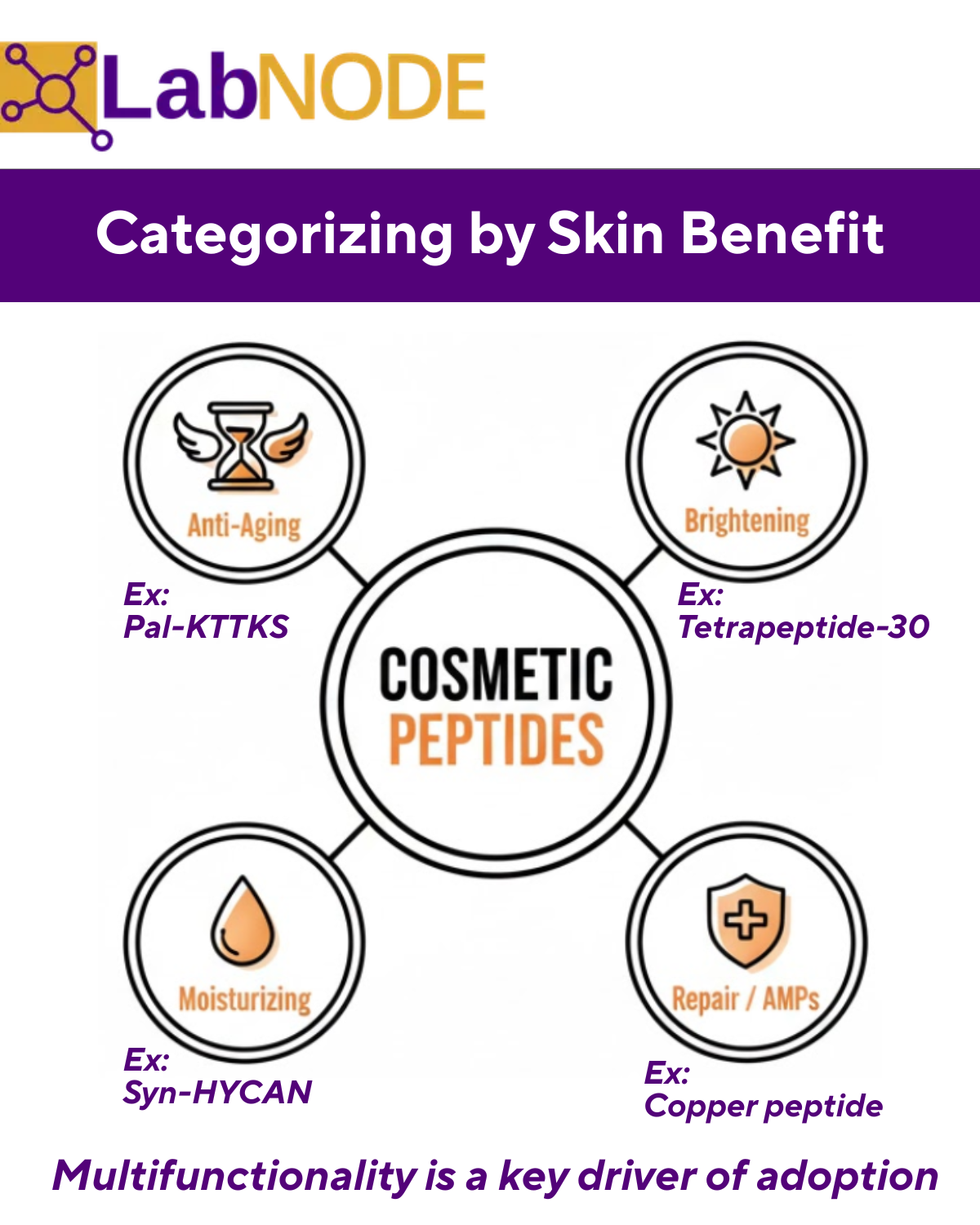
Categorizing Cosmetic Peptides by Skin Benefit
Modern dermal formulations increasingly use multifunctional peptide systems.
Common categories include:
- Anti-Aging
Example: Pal-KTTKS - Brightening
Example: Tetrapeptide-30 - Moisturizing
Example: Syn-Hycan - Repair / Antimicrobial
Example: Copper peptides
Multifunctionality is a major driver of adoption in premium formulations.
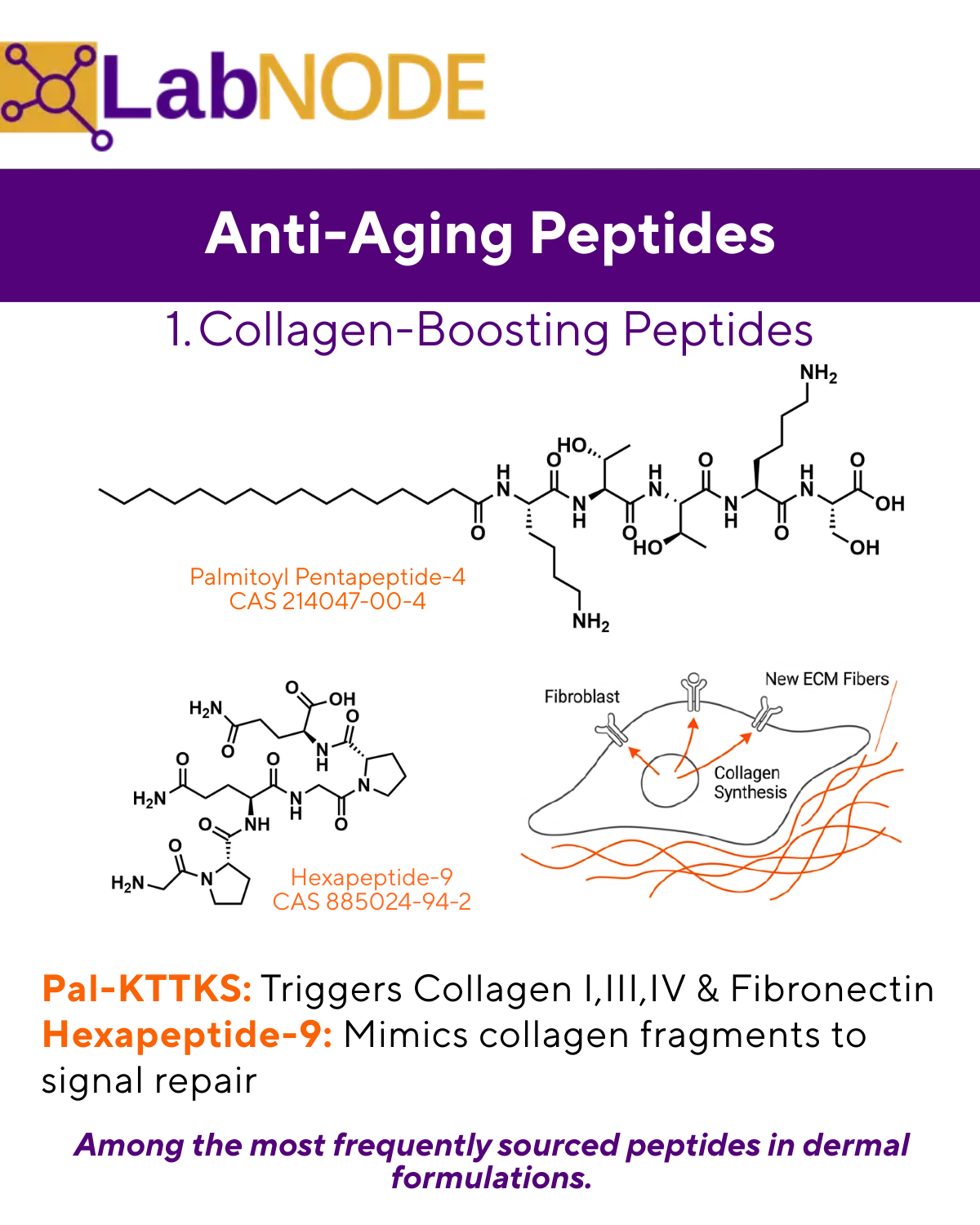
Major Classes of Anti-Aging Peptides
1. Collagen-Boosting Peptides
Examples:
- Pal-KTTKS (Palmitoyl Pentapeptide-4)
- Hexapeptide variants
Mechanism:
- Mimic collagen fragments
- Trigger fibroblast activity
- Support ECM regeneration
These are among the most frequently sourced peptides in dermal formulations.
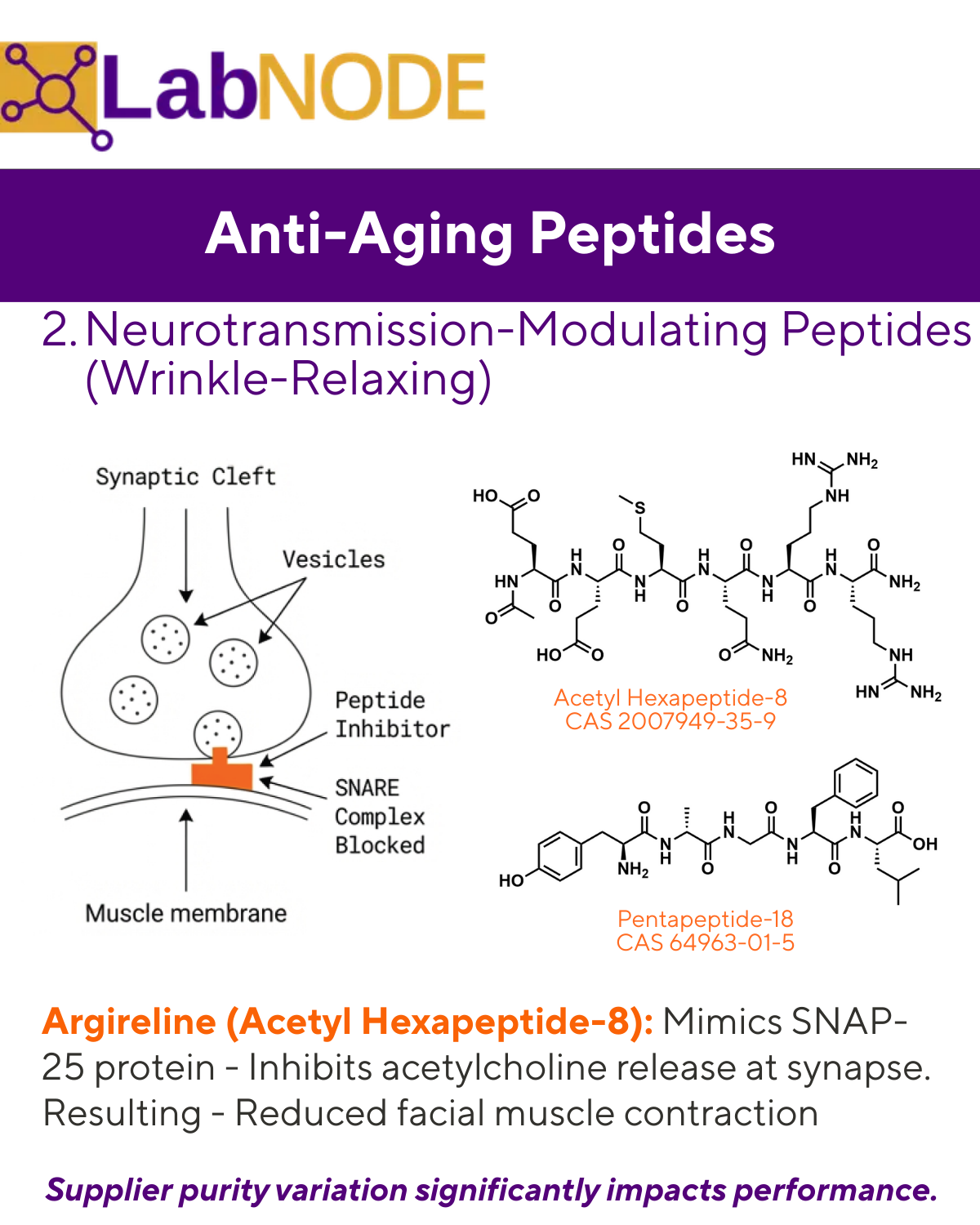
2. Neurotransmission-Modulating Peptides (Wrinkle-Relaxing)
Example:
- Argireline® (Acetyl Hexapeptide-8)
Mechanism:
- Inhibits acetylcholine release
- Reduces muscle contraction
- Softens expression lines
Supplier purity and sequence fidelity significantly influence performance.
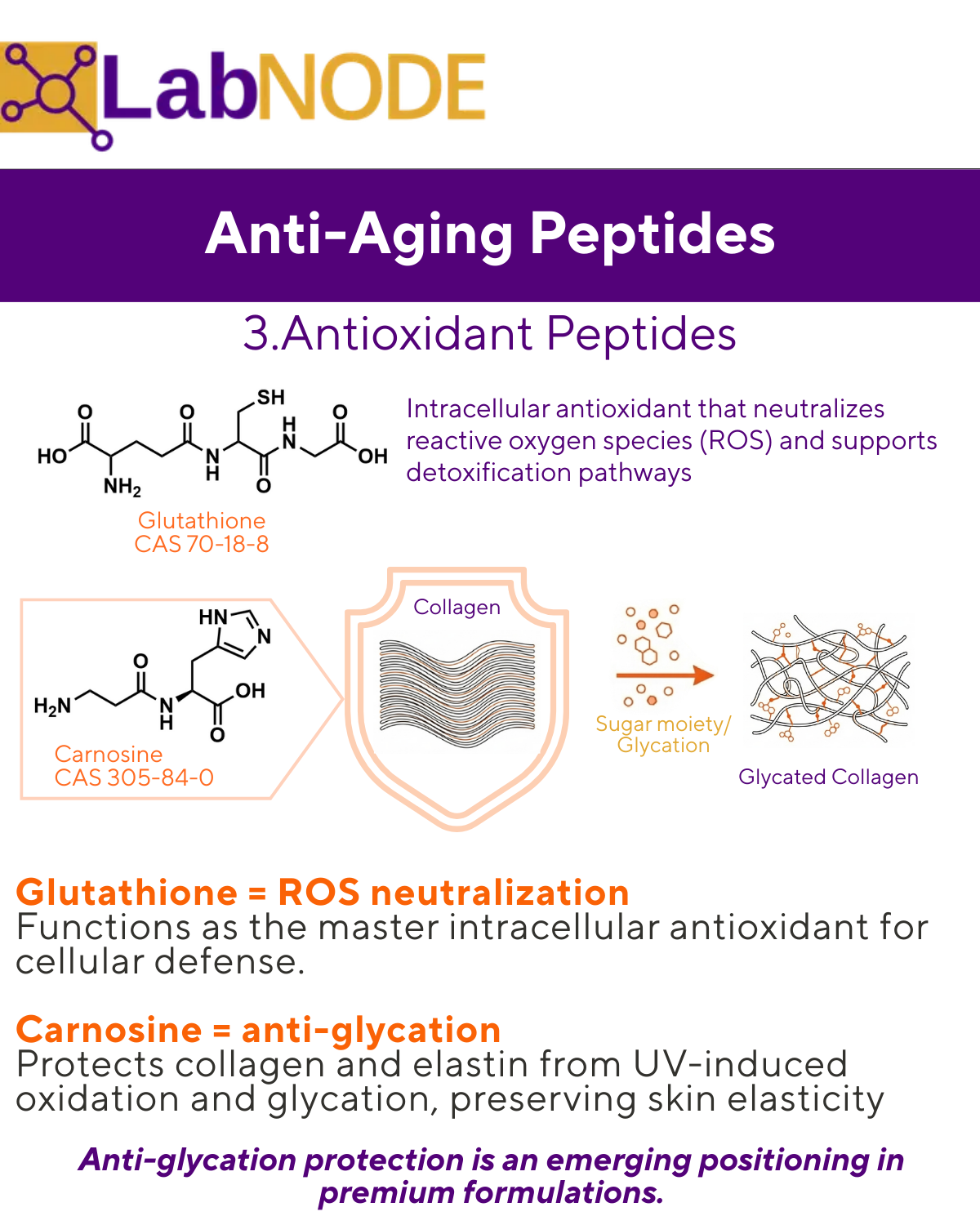
3. Antioxidant & Anti-Glycation Peptides
Examples:
- Glutathione – intracellular antioxidant
- Carnosine – protects collagen and elastin from glycation
These peptides:
- Neutralize reactive oxygen species
- Support collagen longevity
- Are increasingly positioned in premium anti-aging formulations
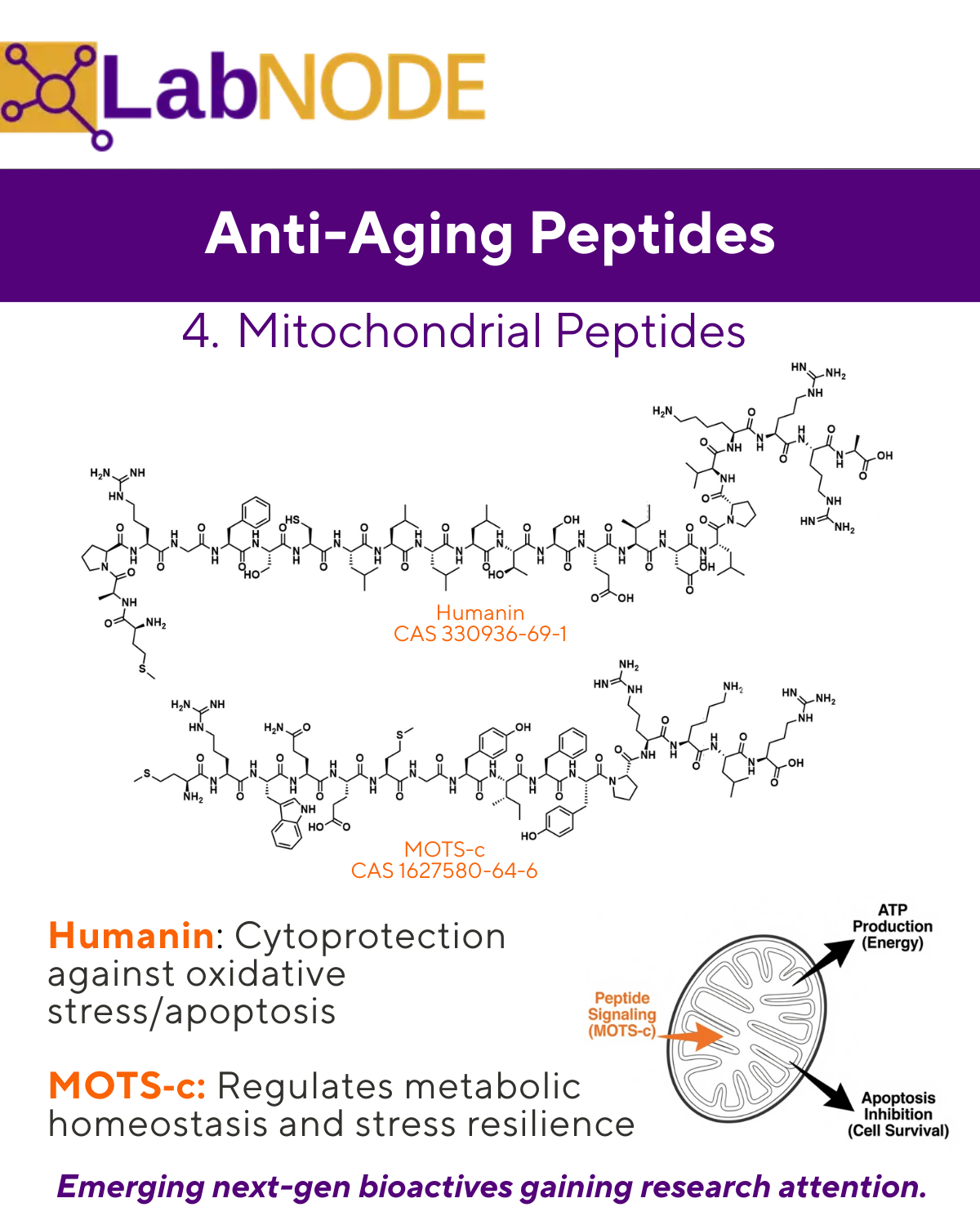
4. Mitochondrial & Next-Generation Bioactive Peptides
Examples:
- Humanin
- MOTS-c
Mechanism:
- Support metabolic homeostasis
- Provide oxidative stress protection
- Emerging interest in longevity-focused research
These represent a growing pipeline of next-generation cosmeceutical actives.
From Sequence to Scalable Supply
Successful peptide commercialization requires more than sequence design—it depends on robust sourcing, manufacturing strategy, and cost optimization.
Labnode supports peptide programs through:
- Supplier identification and technical qualification
- Custom peptide sourcing
- Route selection and manufacturability evaluation
- Cost optimization strategies
- CRO/CDMO partner matching
Whether supporting early formulation screening or scale-up for commercial supply, integrating technical and sourcing expertise early can significantly reduce development risk.
Exploring a peptide development or sourcing project?
Write to: info@labnode.co
Or connect with Labnode on LinkedIn to discuss collaboration opportunities.